Meet the Meteorologist
What's your favorite weather phenomena?
What got you interested in the weather?
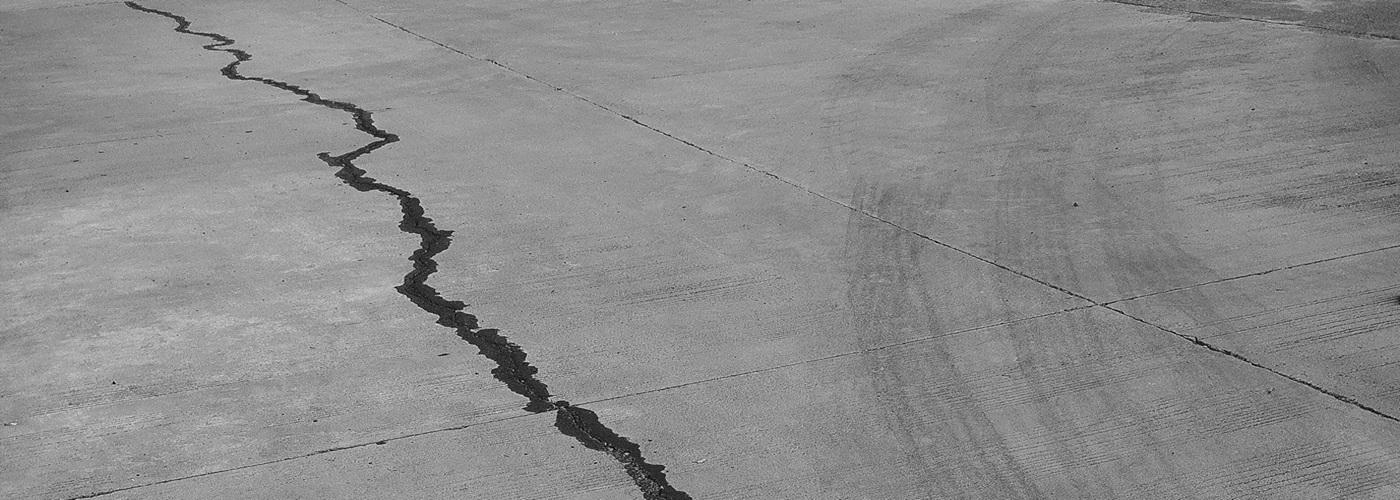

A 2025 study suggests that two of the West Coast’s most dangerous fault systems, the Cascadia Subduction Zone and the San Andreas Fault, may be more closely linked than scientists once thought. Instead of behaving like separate hazards, one earthquake may be able to trigger another, creating closely timed seismic events.
Researchers led by Oregon State University marine geologist Chris Goldfinger examined deep-sea sediment cores that preserve about 3,100 years of earthquake history. They focused on turbidites, sediment layers left behind by underwater landslides, which are often triggered by strong shaking. By comparing these layers from areas influenced by both fault systems, the team found matching patterns in their structure and timing that point to possible coordination between Cascadia and the northern San Andreas.
One key clue came from a core collected in 1999 near Cape Mendocino, where the two fault zones meet. Instead of the usual pattern, with coarse sediment at the bottom and finer material on top, this core showed the reverse. The researchers interpreted the lower layer as likely having formed during a Cascadia earthquake, followed soon after by a San Andreas event that deposited the coarser material above it. Radiocarbon dating supported this idea, and similar “doublet” layers were found in other cores as well.
The study identified three cases in the past 1,500 years, including the 1700 event, where the evidence suggests the two faults ruptured within minutes to hours of each other. If that pattern holds, the emergency consequences could be enormous. A major quake on either fault would already strain response systems, but a closely timed double event could leave cities such as San Francisco, Portland, Seattle, and Vancouver dealing with overlapping disasters.
 Paul Trambley
 Derek Heit
 Jennifer Wojcicki
 Laura Lockwood
 Ray Miller